In every organisation, there are moments whose significance only becomes clear with the benefit of hindsight. At LBKP, one such moment was a team-building trip, when several people had the same thought: that there is enormous potential within our teams that goes beyond our day-to-day duties, and that it would be worthwhile to create a space where this potential could be showcased to the outside world.
This is how the LBKP #TechnoLegals Ambassador Programme came into being. Not as a formal project, but as a grassroots initiative.
It would be difficult to say that the programme arose from a specific need. Rather, it was the result of the conviction that organisational culture is not created in documents, but in relationships and joint initiatives.
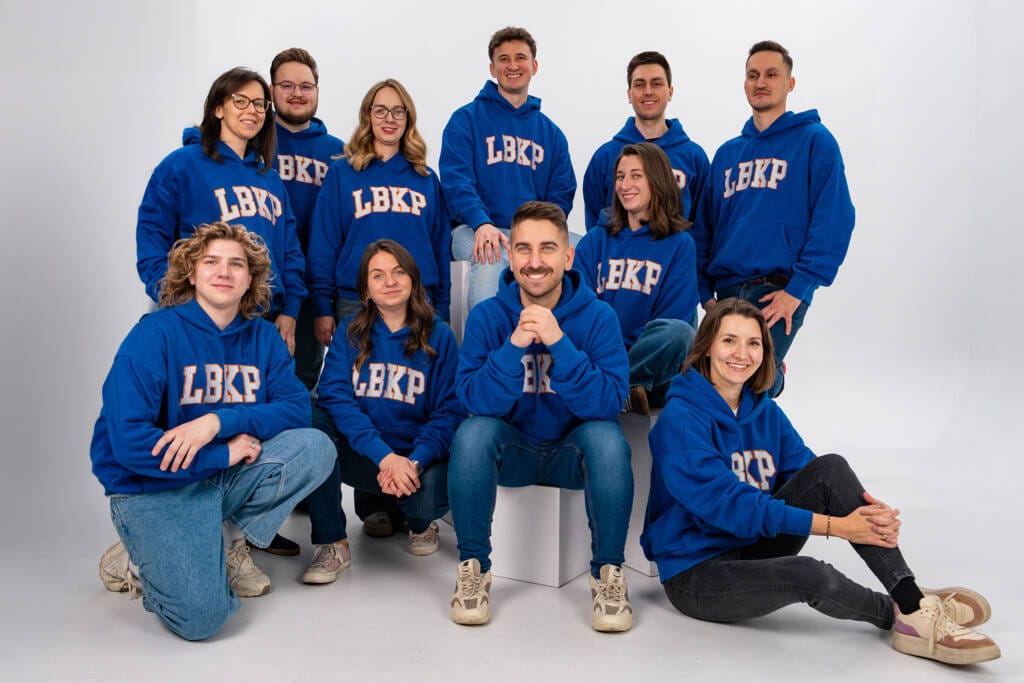
How did It Actually Start?
One of the ambassadors summed up the programme’s concept as follows: “The aim is to create a space for initiatives that have long been a topic of our discussions.”
Right from the start, there were many ideas for activities within the programme. Suggestions included webinars, integration initiatives and a series of materials on the relationship between law and technology. Within a short time, a list of projects was drawn up, from which those with the greatest potential for implementation were selected.

The First Actions — the Moment We Realized Tt Was Working
One of the first joint activities was working on the materials for the webinar. Initially, a short, informal meeting had been planned to organise the structure of the presentation. In practice, the conversation quickly turned into a longer conceptual discussion.
Each participant contributed their own perspective, experiences and practical examples. As a result, not only was an outline of the webinar agenda produced, but also a consistent approach to preparing future events and materials within the programme.

Why Does This Programme Work?
Many of our clients and partners note that LBKP stands out for its collaborative atmosphere, which is not always typical of law firms. For years, we have focused on a modern approach to work, openness to new ideas, and an organisational culture based on cooperation and knowledge-sharing.
The Ambassador Programme is a natural extension of this approach. It does not operate within the rigid framework of marketing or sales activities, but is based on the initiative of individuals who wish to actively share their knowledge and experience.
Who Are The Ambassadors?
Anyone can become an ambassador at LBKP, because everyone brings something unique to the programme — their perspective, experience, communication style and way of working.

Mateusz Borkiewicz – managing partner, attorney at law, expert in data protection, technology law, and cybersecurity. Leads projects related to data protection, AI, process automation, digital services regulations, and cyber-compliance, advising Polish and international organizations on complex strategic technological initiatives.

Hubert Ceglarek – associate, trainee attorney at law, supports entrepreneurs in projects concerning digital services, data protection, and new technologies. Participates in preparing documentation, analyses, and legal solutions for online businesses, e-commerce, and data-driven projects.

Jacek Cieśliński – senior manager, attorney at law, expert in technology contracts and IT projects. Advises organizations on negotiations with global technology providers and the implementation of complex digital initiatives, including cloud projects, outsourcing, and critical system deployments.

Jakub Chlebiej – marketing coordinator, specializes in social media strategy and employer branding. Focuses on building the firm’s and its team’s expert presence on social media, developing the #TechnoLegals ambassador programme, and designing communication that connects the brand, people, and measurable marketing results.

Vladyslav Herasymiv – senior associate, trainee attorney at law, expert in financial regulation and compliance in the technology and fintech sectors. Advises companies on AML, crypto-assets, and MiCA, supporting the development of operational processes, documentation, and adaptation of business models to regulatory requirements.

Agata Jałowiecka – product designer, lawyer, combines legal and design competencies to create UX/UI solutions, visual identities, and digital content supporting brand communication in regulated environments. Works at the intersection of law, technology, and marketing, using Legal Design and expertise in regulations related to AI, cybersecurity, IP, and digital services.

Paulina Jeziorska – senior manager, attorney at law, expert in cybersecurity regulations and the financial sector. Advises financial institutions, IT providers, and technology companies on DORA, NIS2, and MiCA, leading comprehensive implementations from risk analysis to operational adjustment of collaboration models and security.

Paweł Kempa-Dymiński – senior manager, attorney at law, expert in labor law and employment. Advises employers on the most complex employee-related issues, including disputes over mobbing and discrimination, relations with trade unions, and designing employment strategies that support organizational stability and security.

Ewa Knapińska – senior counsel, attorney at law, expert in IT law, data protection, and e-commerce. Advises technology and digital companies on the design and implementation of online services and products, combining contract law, GDPR regulations, information security, and product practice.

Wojciech Kostka – managing partner, attorney at law, expert in new technologies law, GameDev, IP, e-commerce, data protection, and real estate. For years, he has advised on strategic technological, investment, and transactional projects, combining experience in IT law, intellectual property, and M&A with domestic and international negotiation practice.

Grzegorz Leśniewski – managing partner, attorney at law, expert in NewTech, CyberSec, arbitration, and transactional advisory. For over 15 years, he has advised technology companies, financial institutions, and e-commerce entities on complex regulatory, technological, and M&A projects, combining legal, business, and operational perspectives.

Dominika Leszczyńska-Pogoda – manager, attorney at law, expert in M&A transactions and corporate law. Advises companies, investors, and shareholders on acquisitions, restructurings, and investment projects, combining transactional experience with handling post-transaction and corporate disputes.

Zuzanna Prandecka-Walek – counsel, attorney at law, expert in cybersecurity, data protection, and digital regulations. Advises organizations on implementing DORA, NIS2, and GDPR, conducting compliance audits and designing operational information security models, combining legal and technical perspectives.

Anna Żmidzińska – counsel, attorney at law, expert in economic, regulatory, and consumer disputes, as well as ESG. Represents clients in complex legal and regulatory proceedings, including before UOKiK, KNF, and PUODO, combining litigation precision with advisory in regulatory and reputational risk management.
Who Runs the Programme?
Jakub Chlebiej — Responsible for the direction of the programme, ambassador development, and creating new initiatives — ensuring that the energy that emerged at the beginning not only doesn’t fade but grows stronger with each week.
Agata Jałowiecka — Responsible for the visual identity and digital aspects of the programme. Agata creates the programme’s stylistic consistency, visual identity, and digital communication form, ensuring that our activities maintain a consistent aesthetic and character that reflects the spirit of #TechnoLegals.
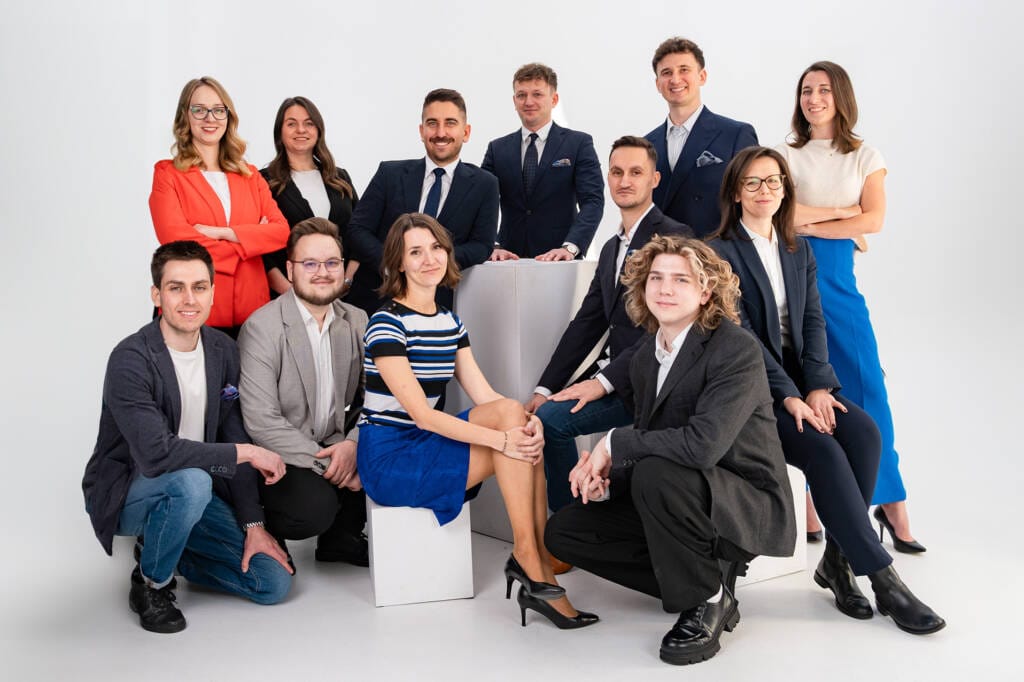
What’s next?
If the first few weeks were a prologue, then the chapters ahead will see the programme evolve alongside the firm and the people who make it up. It is a project that combines substance with culture, technology with people, and legal practice with a modern approach to organisational thinking.
Thanks to the programme, LBKP is becoming a place where lawyers can not only develop their professional expertise, but also create initiatives that strengthen their personal brands and, consequently, the entire firm — from within. And when people are given the space to act, organisational culture begins to grow faster than any formal process.